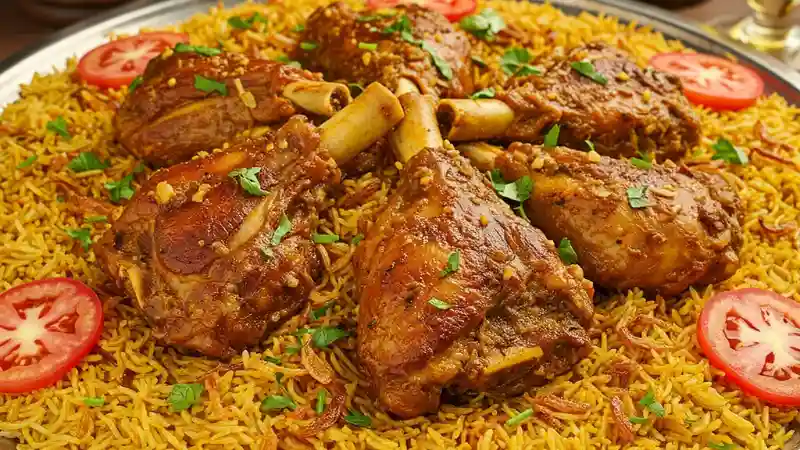
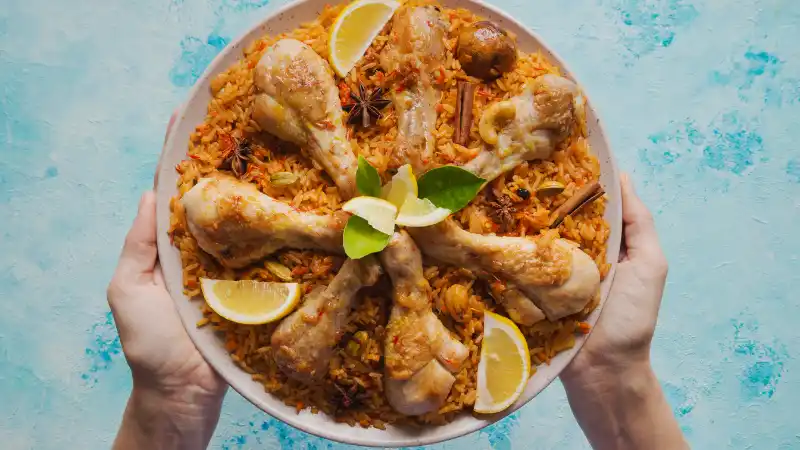
Kabsa meat is a popular Arabian dish made with seasoned rice, tender meat, and a fragrant blend of spices. Depending on the recipe, it may include tomatoes, onions, dried lime, and cardamom. In this guide, you’ll learn how to choose the right meat, prepare kabsa step by step, and avoid common cooking mistakes.
Choosing the Right Meat for Kabsa
The secret to an unforgettable Kabsa lies in the meat you choose. While rice and spices build the dish’s foundation, the meat is its soul. Traditionally, lamb or goat meat is the preferred choice because of their tender texture and rich flavor profile. However, modern adaptations often use chicken or beef to cater to different dietary preferences and cooking times.
Lamb Kabsa offers a luxurious, melt-in-your-mouth experience. The marbling in lamb ensures that every bite bursts with juiciness. Goat meat, on the other hand, has a deeper, gamier flavor and is popular in rural Arabian areas where it’s readily available. Chicken Kabsa is lighter, making it perfect for everyday meals, while beef Kabsa offers a hearty and satisfying bite for those who prefer denser meat.
When choosing meat, freshness is key. Ideally, the meat should be tender with a slight fat layer to enrich the flavor as it cooks. Aged or tough cuts can make the Kabsa dry and chewy, so opt for cuts like lamb shoulder, shank, or thigh.
Marinating the meat with lemon juice and spices can add flavor. Yogurt is another optional ingredient used in some marinades, but it is not essential to every kabsa recipe. Choose a marinade that suits the cut of meat and the cooking method.
Essential Ingredients in Kabsa Meat Recipe
Every Kabsa recipe begins with a fragrant blend of carefully chosen ingredients that bring out the magic of the dish. The foundation includes basmati rice, meat, tomatoes, onions, and a bouquet of spices. Yet, what transforms a good Kabsa into a legendary one are the nuances in these elements.
Spices: Kabsa’s unique identity comes from its spice blend known as Baharat. This includes black pepper, cardamom, cinnamon, cloves, nutmeg, bay leaves, and dried lime (loomi). These spices create the characteristic warm and complex aroma that Kabsa is famous for.
Tomatoes and Onions: These two ingredients form the base sauce that coats the rice and meat. Tomatoes provide acidity that balances the richness of the meat, while onions caramelize to add sweetness.
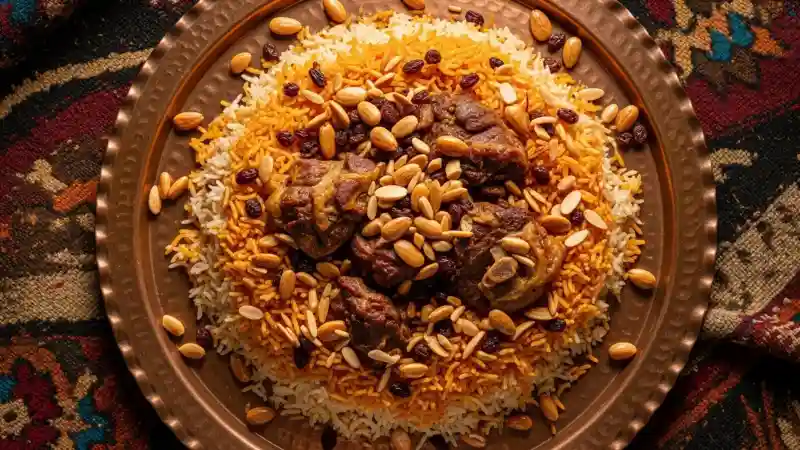
Nuts and Raisins: Fried almonds, cashews, and raisins are often sprinkled on top for a sweet-salty crunch that elevates both flavor and presentation.
Ghee or Butter: A touch of clarified butter not only enhances aroma but also adds a silky texture to the rice.
Basmati Rice: Long-grain rice is essential. It absorbs flavors beautifully and remains fluffy even after long cooking.
When these ingredients come together, the kitchen fills with an irresistible fragrance that’s both comforting and exotic—one that no artificial flavor can replicate.
The Science Behind Kabsa’s Signature Aroma
There’s actual science behind the irresistible smell of Kabsa. The dish’s distinctive aroma results from the Maillard reaction, a chemical process that occurs when proteins and sugars in the meat and onions are exposed to heat. This reaction produces hundreds of flavor compounds that give Kabsa its golden-brown color and deep, roasted notes.
The slow simmering of meat and rice allows the spices to infuse layer by layer, creating a multidimensional flavor profile. Cardamom and cinnamon release warm, sweet undertones, while black lime adds a subtle sour tang. The ghee binds these aromas, distributing them evenly across the dish.
Interestingly, when Kabsa is cooked in traditional clay pots or underground ovens, the slightly porous surfaces trap steam and recirculate it. This self-basting effect ensures the meat remains juicy while allowing the rice to soak up every drop of flavor.
Scientific research on spice chemistry supports this culinary artistry. For example, a 2021 study published in Food Chemistry Journal found that spices like cloves and cinnamon contain antioxidants that not only enhance aroma but also preserve food quality naturally. So, every spoonful of Kabsa isn’t just delicious—it’s chemistry perfected.
Authentic Kabsa Meat Recipe (Step-by-Step Guide)
If you’ve ever dreamed of cooking authentic Kabsa at home, here’s your complete guide.
Ingredients
1 kg lamb or chicken (cut into large pieces)
2 cups basmati rice
2 medium onions (finely chopped)
3 ripe tomatoes (blended or diced)
4 cloves garlic (minced)
2 tbsp ghee or butter
2 dried limes (loomi)
2 cinnamon sticks
5 cardamom pods
1 tsp black pepper
1 tsp turmeric
1 tsp cumin
1 tsp paprika
1 tsp coriander powder
1 bay leaf
3 cups chicken or beef stock
Salt to taste
Fried nuts and raisins for garnish
Method
Marinate the Meat: Rub the meat with turmeric, lemon juice, and a pinch of salt. Let it rest for 30 minutes.
Sauté the Base: In a deep pot, heat ghee and fry onions until golden. Add garlic and tomatoes, cooking until the mixture thickens.
Add Spices: Toss in all the spices and loomi. Stir for a minute to release their oils.
Cook the Meat: Add the meat pieces and sear until browned. Pour in the stock, cover, and simmer until the meat is tender. Cooking time depends on the type and cut of meat, the size of the pieces, and the cooking method. Check for doneness before adding the rice.
Add Rice: Rinse the rice thoroughly and add it to the pot. Make sure there’s enough liquid (about 1 inch above the rice).
Steam and Serve: Once the rice absorbs most of the liquid, lower the heat, cover, and let it steam for 15–20 minutes.
Garnish: Top with fried nuts, raisins, and a drizzle of ghee before serving.
This method preserves the authenticity of traditional Kabsa while being achievable in any modern kitchen.
Kabsa Cooking Techniques Explained
Cooking Kabsa may seem simple, but true mastery lies in understanding its techniques. The method you choose can dramatically influence the texture, aroma, and depth of flavor. Traditionally, Kabsa is slow-cooked in large pots over a wood fire, which allows the flavors to develop gradually. The gentle heat helps the meat tenderize while the spices and rice blend harmoniously into a unified dish.
In modern kitchens, however, several cooking methods have emerged:
Pressure Cooking: Ideal for busy cooks, this method reduces cooking time significantly while still maintaining a rich flavor. However, it may slightly reduce the smoky depth found in traditional Kabsa.
Slow Simmering (Stovetop): The classic approach. It allows the meat and rice to cook evenly, ensuring each grain of rice soaks in the spiced broth fully.
Oven-Baked Kabsa: Some chefs prefer transferring the cooked mixture into an oven for a final bake. This gives the rice a delightful crust and enhances the aroma.
Clay Pot Cooking: Used in traditional Arabian households, clay pots help retain heat evenly and trap moisture, creating a unique flavor profile.
Each technique has its charm, but the real secret lies in timing. Kabsa rewards patience. Allowing the meat to cook slowly in its juices brings out a buttery tenderness that no shortcut can replicate. As the rice finishes cooking, every grain becomes infused with the essence of saffron, cardamom, and ghee—a true symphony of senses.
Perfecting the Kabsa Rice
The rice in Kabsa isn’t just a side; it’s a masterpiece on its own. Achieving the perfect texture—fluffy, aromatic, and golden—is an art that requires precision. Start with high-quality basmati rice, preferably aged for at least a year. Aged basmati rice can cook into separate grains when prepared correctly. Rinsing, soaking when appropriate, and using the right amount of liquid can all affect the final texture.
Rinse the rice several times to remove excess starch. This step prevents the rice from becoming sticky. Soak it for 20–30 minutes before cooking to allow even hydration. When it’s time to add the rice to the pot, make sure there’s enough liquid (broth or water) to just cover it.
Here’s where many cooks falter—stirring too much. Once the rice starts simmering, resist the urge to stir. Let the steam do its magic. Cover the pot with a tight lid or foil to trap the heat, allowing the rice to cook evenly.
To achieve that signature golden hue, drizzle a saffron-infused milk mixture over the rice before steaming. This creates beautiful color variations and adds a subtle floral aroma. For a more authentic touch, some chefs add a touch of tomato paste to the broth, deepening the reddish tint and enhancing umami.
Health Benefits of Kabsa Meat
Kabsa can provide protein from meat and carbohydrates from rice. Its overall nutritional profile depends on the type and amount of meat, cooking fat, rice, and other ingredients used.
Protein Power: The meat provides high-quality protein essential for muscle repair and growth. Lamb and chicken are also rich in iron, zinc, and B vitamins, which support immune function and energy metabolism.
Healthy Fats: Ghee adds richness and flavor to kabsa, but it also contributes saturated fat and calories. The amount used affects the dish’s overall nutritional profile.
Spices and Flavor: Cardamom, cinnamon, cloves, and dried lime contribute to kabsa’s distinctive aroma and flavor. Although some spices contain naturally occurring antioxidant compounds, their presence in a recipe does not establish that the finished dish treats health conditions or regulates blood sugar.
Rice and Carbohydrates: Basmati rice provides carbohydrates for energy. Its effect on blood glucose depends on factors such as the variety of rice, cooking method, serving size, and the rest of the meal.
By focusing on fresh, unprocessed ingredients and traditional cooking methods, Kabsa remains a dish that satisfies taste buds while aligning with modern health-conscious lifestyles.
Common Mistakes to Avoid When Cooking Kabsa
Even seasoned cooks can make a few missteps when preparing Kabsa. To ensure you get it right every time, here are some of the most common pitfalls and how to avoid them:
Using Too Much or Too Little Liquid: Excess liquid can make the rice mushy, while too little may leave it undercooked. The amount of broth needed depends on the rice variety, whether it has been soaked, and the cooking method. Follow a tested recipe’s liquid measurements and adjust only when necessary.
Skipping the Marination: This step is crucial for tender, flavorful meat. Marinate for at least 30 minutes—or better yet, overnight.
Adding Spices All at Once: Layer your spices. Start with whole spices (cardamom, cloves) and later add ground ones to build complexity.
Overcooking the Meat: Cook the meat until just tender before adding rice. Overcooked meat can fall apart and muddy the texture.
Ignoring the Steam Stage: After the rice absorbs most of the liquid, cover tightly and let it steam for 15–20 minutes to achieve perfect fluffiness.
Mastering Kabsa is like mastering music—it’s about timing, rhythm, and harmony. Once you get it right, it’s pure magic.
Nutrition Information for Meat Kabsa
The calories and nutrient content of kabsa vary according to the type and quantity of meat, the amount of rice and cooking fat, and the toppings used. Chicken kabsa may have a different nutritional profile from lamb or beef kabsa.
For a reliable estimate, calculate the nutrition information using the exact ingredient quantities in the recipe and divide the totals by the actual number of servings. Treat any nutrition figures as estimates rather than fixed values for all kabsa recipes.
Tips for a Healthier Kabsa
Use olive oil or light ghee instead of full-fat butter.
Choose lean meat cuts or skinless chicken breast.
Reduce fried nuts or raisins if watching calories.
Steam rice instead of frying it in ghee before cooking.
Serve with a side of fresh salad or yogurt to balance the meal.
Kabsa Meat vs. Other Arabian Rice Dishes
Kabsa often gets compared to other beloved Middle Eastern rice dishes like Mandi, Biryani, and Maqluba, but each has a distinct identity.
Dish
Origin
Cooking Technique
Flavor Profile
Signature Feature
Kabsa
Saudi Arabia
Simmered meat and rice together
Balanced, aromatic, mildly spiced
Tomato-based broth and saffron rice
Mandi
Yemen
Cooked in underground tandoor
Smoky, earthy
Tender meat and lightly spiced rice
Biryani
South Asia
Layered and baked
Rich, spiced, and layered
Fried onions and yogurt marinade
Maqluba
Levant
Inverted pot cooking
Savory, vegetable-infused
Layered with eggplant and meat
What sets Kabsa apart is its balance. It’s neither too spicy like Biryani nor too smoky like Mandi. It’s the golden mean of Arabian cuisine—simple yet profoundly flavorful, luxurious yet comforting.
Serving and Garnishing Kabsa Meat
Serving Kabsa is an art form—a performance that embodies Arabian hospitality. Traditionally, Kabsa is presented on a large communal platter, known as a siniya. The steaming rice forms a colorful bed for the perfectly cooked meat, often lamb shanks or roasted chicken pieces, placed proudly on top. The visual contrast between golden rice, tender meat, and scattered nuts immediately signals celebration.
Garnishing plays a critical role. Fried almonds, cashews, and raisins are sprinkled generously across the surface, adding a sweet and crunchy element. Some families also include caramelized onions for added richness. A final drizzle of melted ghee gives the dish its glossy finish and intensifies the aroma.
To complete the meal, Kabsa is often accompanied by Daqoos, a spicy tomato-based sauce made with garlic, chili, and lemon juice. Its tangy bite cuts through the richness of the meat, balancing the entire dish. Salata Hara, a fresh salad made with cucumber, tomato, and mint, provides a refreshing contrast.
The presentation isn’t just for show—it’s cultural. In many Arabian households, guests are served first, with elders being honored before others begin eating. Sharing from one plate symbolizes equality and friendship. In formal settings, Kabsa is served with dates, laban (yogurt drink), and Arabic coffee, transforming the meal into an unforgettable sensory experience.
The History of Kabsa Meat
Kabsa’s journey began in the vast deserts of the Arabian Peninsula, where Bedouin tribes depended on simple yet nourishing meals to fuel their nomadic lifestyle. Early versions of Kabsa used locally available ingredients—rice, dried fruits, nuts, and freshly slaughtered lamb or goat. The goal was to create a meal that could feed large groups using minimal utensils and time.
As trade routes expanded between Yemen, Saudi Arabia, and the Levant, spices such as cardamom, cinnamon, cloves, and black lime (loomi) entered the Arabian pantry. These exotic flavors transformed the original Kabsa into the rich, layered dish we know today. Historical records trace Kabsa’s refinement to the Hejaz region of Saudi Arabia, where cooks perfected the balance between meat and spice.
By the 20th century, Kabsa had become a national dish of Saudi Arabia, symbolizing not just food but unity. Even as borders and cultures evolved, the dish remained a constant presence on Arabian tables. Its cultural influence spread across the Gulf—each region adapting it slightly but always preserving its essence.
Different Regional Variations of Kabsa
Kabsa and related rice dishes vary across the Arabian Peninsula and the Gulf. Differences in spice blends, cooking methods, and traditional accompaniments reflect local preferences. Mandi and machboos are related regional dishes, but each has its own preparation methods and characteristics.
Saudi Kabsa: Known for its balanced spice blend and saffron-infused rice. It typically features lamb or chicken, with tomatoes adding depth to the flavor.
Yemeni Kabsa (Mandi): Cooked in a tandoor or underground pit, giving it a smoky aroma. Mandi rice is often lighter, with hints of cardamom and bay leaves.
Emirati Kabsa (Machboos): Includes dried lime (loomi), which gives it a slightly tangy profile.
Bahraini Kabsa: Richer and spicier, with caramelized onions and an emphasis on slow-cooked meats.
Each variation tells a story of geography and tradition. The use of local spices, cooking techniques, and meat choices defines the regional palate—proof of how Kabsa has evolved while staying true to its Arabian roots.
Kabsa in Modern Cuisine
Today, Kabsa has transcended borders and generations. It has evolved beyond traditional settings, appearing in restaurants from Dubai to London and New York. Chefs have reimagined Kabsa using innovative techniques while maintaining its essence.
Fusion Kabsa dishes have emerged—think Kabsa tacos, Kabsa risotto, and even vegetarian Kabsa bowls. While purists may raise an eyebrow, these variations introduce global audiences to the dish’s core flavors. High-end restaurants often present deconstructed Kabsa, with sous-vide lamb served atop saffron-infused rice foam—a creative reinterpretation that celebrates the dish’s versatility.
In Saudi Arabia, Kabsa has become a symbol of national pride. It’s featured in food festivals, cooking competitions, and cultural exhibitions. Even fast-food chains have joined the movement, introducing Kabsa-flavored wraps and burgers.
FAQs About Kabsa Meat
Q1. What’s the main difference between Kabsa and Mandi?
Kabsa is simmered in a spiced tomato broth, giving it a rich and aromatic flavor, while Mandi is cooked underground, resulting in a smokier taste.
Q2. Can I make Kabsa with brown rice or quinoa?
Yes! While traditional recipes use basmati rice, brown rice or quinoa can be great healthy substitutes. Just adjust the liquid and cooking time accordingly.
Q3. How can I make Kabsa less oily?
Use lean cuts of meat and limit the amount of ghee or butter. You can also skim off excess fat from the broth before adding the rice.
Q4. What vegetables can I add to Kabsa?
Carrots, bell peppers, peas, and even zucchini can add color and nutrition to Kabsa without altering its traditional flavor.
Q5. Can Kabsa be prepared ahead of time?
Yes. Store leftover kabsa in shallow, covered containers and refrigerate it within two hours of cooking, or within one hour if the surrounding temperature is above 90°F (32°C). Use refrigerated leftovers within three to four days and reheat them thoroughly before serving.
Conclusion
Kabsa meat combines seasoned rice, tender meat, and aromatic spices in a dish that can be adapted to different tastes and ingredients. Choosing the right cut of meat, measuring the cooking liquid carefully, and allowing the rice to finish steaming can help you achieve a flavorful result at home. Adjust the spices and toppings to suit your preferences, and calculate nutrition information according to the ingredients and serving size you use.
**Hanan Abo Samra** shares practical cooking insights, delicious recipes, and evidence-based nutrition information. Drawing on more than 20 years of hands-on cooking experience, she creates helpful food content that combines everyday cooking knowledge with information from reliable scientific sources. Her goal is to help readers better understand the foods they eat, explore their nutritional benefits, and prepare delicious meals with confidence.