There’s something almost old-fashioned about making your own yogurt. No fancy gadgets required, just milk, a spoonful of live culture, and a little patience. If you’ve ever stood in the dairy aisle squinting at ingredient lists full of gums, stabilizers, and added sugar, you already know why so many home cooks are going back to basics.
Homemade yogurt puts you in control of what goes into your bowl. You choose the milk, you choose the culture, and you decide exactly how tangy or mild the final product turns out. It’s a simple kitchen project with a surprisingly deep nutritional payoff, and once you understand the process, it’s hard to go back to buying it.
This guide walks through everything: what yogurt actually is, why homemade versions can outshine store-bought tubs, the nutrition and potential health benefits backed by research, who should be careful with it, and a full step-by-step method you can follow tonight.
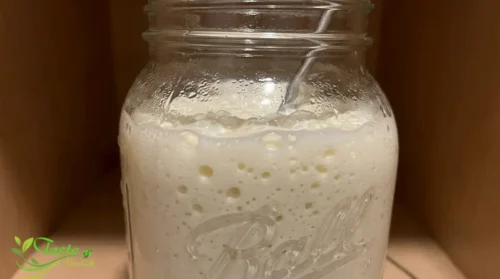
At its core, yogurt is just milk that’s been fermented by specific bacteria. Those bacteria feed on lactose, the natural sugar in milk, and convert it into lactic acid. That acid is what thickens the milk into a creamy, tangy product and gives yogurt its signature texture and flavor.
The process itself is ancient. Fermented milk products have been part of human diets for thousands of years, likely discovered by accident when milk was stored in animal-skin containers that happened to carry the right bacteria. Today, the method is far more precise, but the underlying chemistry hasn’t changed.
Store-bought yogurt is made the same way, just at industrial scale. Milk gets pasteurized, cooled, inoculated with starter cultures, incubated under controlled conditions, and then packaged. Homemade yogurt follows the same four steps, just on your countertop instead of a factory floor.
What separates a good yogurt from a mediocre one usually comes down to two things: the quality of the milk and the health of the starter culture. Get those two right, and the rest is mostly about time and temperature.
Why Make Yogurt at Home?
Cost is often the first reason people try it. A gallon of milk plus a small container of plain yogurt as a starter can produce far more finished yogurt than buying the equivalent amount pre-made, and you can repeat the process using a spoonful of your last batch as the next starter.
Ingredient control matters just as much. Many commercial yogurts, especially flavored ones, carry added sugars, thickeners like modified corn starch, and stabilizing gums to keep the texture consistent on store shelves. When you make it yourself, the ingredient list can be as short as “milk and culture.”
There’s also the question of culture diversity and freshness. Homemade batches, when properly maintained, can carry a robust and varied population of live bacteria, since you’re not dealing with months of shipping and shelf storage before the container reaches your fridge. That said, the survival and effectiveness of those bacteria still depend heavily on your process and the starter’s own quality.
Finally, there’s the simple satisfaction of it. Watching plain milk transform into a thick, tangy dairy staple over a few hours feels a little bit like kitchen magic, and it’s the kind of skill that, once learned, sticks with you for life.
How to Make Homemade Yogurt: Step-by-Step
Prep time: 15 minutes | Incubation time: 6–8 hours | Total time: About 8 hours | Servings: 6 (1 cup each) | Cuisine: Middle Eastern / Mediterranean-inspired
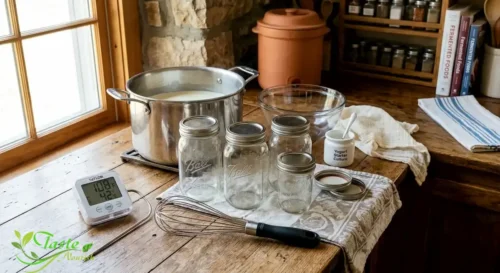
Equipment You’ll Need
A heavy-bottomed saucepan or pot
An instant-read or candy thermometer
A whisk
Glass jars or a heatproof container with a lid
An insulated cooler, yogurt maker, or oven with just the light on (for maintaining warmth)
Ingredients
1/2 gallon (about 2 liters) whole or low-fat milk
2–3 tablespoons plain yogurt with live active cultures, at room temperature
Step-by-Step Instructions
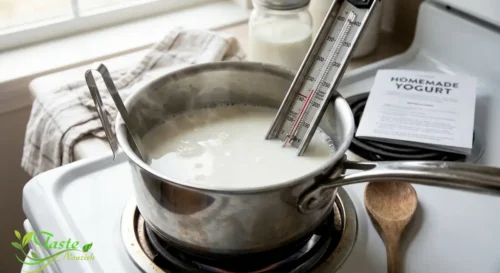
Pour the milk into your saucepan and heat it gently over medium heat, stirring occasionally, until it reaches about 180°F. This step helps denature the milk proteins slightly, which gives the final yogurt a thicker, more stable texture.
Remove the pot from heat and let the milk cool down to somewhere between 110°F and 115°F. This can take 30 to 45 minutes; you can speed it up with an ice bath if you’re short on time.
Whisk in your starter yogurt thoroughly, making sure it’s evenly distributed rather than clumped in one spot.
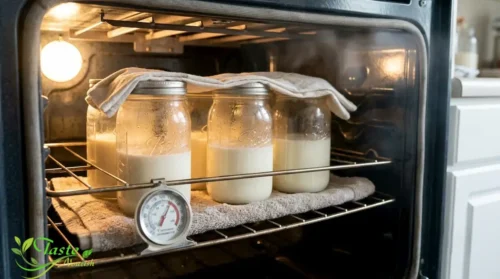
Pour the mixture into your jars or container, cover, and place it somewhere warm and undisturbed — an oven with just the light on, a cooler wrapped in towels, or a dedicated yogurt maker all work well.
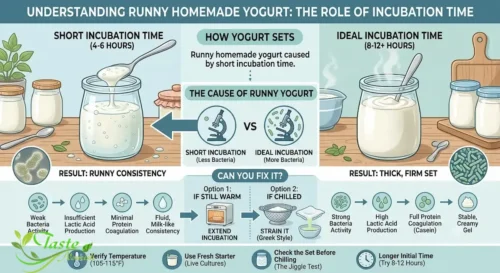
Let it incubate for 6 to 8 hours, checking after 6 hours. The longer it sits, the tangier and thicker it becomes, up to a point.
Once it’s set to your liking, refrigerate for at least 4 hours before eating. Chilling firms up the texture further and mellows the tang slightly.
Homemade vs. Store-Bought Yogurt: A Quick Comparison
Factor
Homemade Yogurt
Store-Bought Yogurt
Ingredient control
Full control; typically just milk and starter culture
Varies widely; may include sugar, thickeners, stabilizers
Cost per serving
Generally lower, especially with repeat batches
Higher, particularly for specialty or organic brands
Culture diversity
Can be rich and varied depending on starter quality
Standardized; limited to strains added by the manufacturer
Texture consistency
Can vary batch to batch until technique is dialed in
Highly consistent due to industrial processing
Shelf life
Shorter; best used within 1–2 weeks
Longer, thanks to processing and packaging
Effort required
Requires active time and monitoring
None; ready to eat
Pro tip: Save two to three tablespoons of plain yogurt from every homemade batch to use as your starter for the next one. After about five to seven generations, cultures can weaken, so it’s worth refreshing with a new store-bought starter periodically.
The Science Behind Yogurt Fermentation
Fermentation is essentially controlled spoilage, guided by bacteria that are good for both flavor and health rather than the kind that make food unsafe. When yogurt starter is added to warm milk, the bacteria begin consuming lactose almost immediately, releasing lactic acid as a byproduct.
That rising acidity does two things at once. It causes milk proteins, mainly casein, to denature and clump together, which is what creates yogurt’s thick consistency. At the same time, it drops the pH low enough to make the environment inhospitable to most harmful bacteria, which is part of why fermented dairy has such a long history as a safe, shelf-stable food.
Temperature control is the variable that makes or breaks a batch. Yogurt bacteria thrive in a fairly narrow window, generally between 105°F and 115°F. Too cold, and fermentation slows to a crawl or stalls out. Too hot, and you risk killing the very bacteria you’re trying to cultivate.
Time matters too, but it’s more flexible than temperature. A shorter incubation produces a milder, sweeter yogurt, while a longer one yields a tangier, thicker result. Most home fermentation runs somewhere between six and twelve hours, and a little experimentation will help you find your own preferred balance.
The Two Bacteria That Do the Heavy Lifting
Two specific bacterial strains are responsible for turning milk into yogurt: Streptococcus thermophilus and Lactobacillus delbrueckii subsp. bulgaricus. Research on fermented dairy has identified these as the defining starter organisms used across the yogurt industry, working together in a mutually beneficial relationship. These two organisms are recognized as the standard yogurt starter cultures, alongside Bifidobacterium and Lactobacillus strains sometimes added separately for their probiotic properties.
Streptococcus thermophilus gets the fermentation started quickly, producing lactic acid and some of the compounds responsible for yogurt’s characteristic aroma. Lactobacillus bulgaricus works more slowly but contributes more strongly to the tangy, sour flavor most people associate with plain yogurt.
Beyond these two required strains, many starters and store-bought containers also include additional probiotic species, such as various Bifidobacterium and Lactobacillus acidophilus strains. These aren’t strictly necessary to make yogurt, but they’re often added because of their associations with gut health.
Consumption of fermented foods like yogurt, which naturally deliver these live organisms, has been linked in epidemiological research to reduced risks of type 2 diabetes, metabolic syndrome, and heart disease, along with better weight management outcomes — though it’s worth noting these are associations observed in population studies, not guarantees for any one individual.
Nutrition Profile of Homemade Yogurt
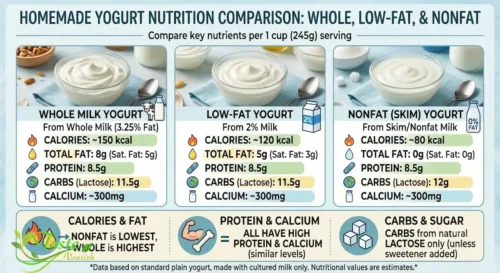
Plain yogurt’s nutritional value depends heavily on which milk you start with. Whole milk yogurt is naturally higher in fat and calories, while yogurt made from skim or low-fat milk trims those numbers considerably while keeping protein levels largely intact.
Across the board, yogurt is a solid source of high-quality protein, calcium, phosphorus, riboflavin, and vitamin B12. It’s also naturally rich in potassium, a mineral many people don’t get enough of in a typical Western diet. Because homemade yogurt is unsweetened by default, it also tends to be lower in added sugar than many flavored commercial varieties.
According to the USDA’s FoodData Central database, which serves as the federal reference point for nutrient content across thousands of foods, nutrient values for individual foods are compiled from carefully researched samples rather than estimates, giving home cooks and dietitians a reliable baseline for comparing homemade batches to commercial products.
Homemade Yogurt Nutrition at a Glance
Approximate values per 1-cup (245g) serving of plain, unsweetened yogurt, based on typical USDA nutrient composition data for each milk type:
Nutrient
Whole Milk Yogurt
Low-Fat Yogurt
Nonfat (Skim) Yogurt
Calories
~150
~120
~100
Protein
~8g
~10g
~11g
Total Fat
~8g
~3.5g
~0.4g
Carbohydrates
~11g
~14g
~15g
Calcium
~275mg
~310mg
~320mg
Sodium
~110mg
~140mg
~150mg
These figures will shift slightly depending on the specific milk you use, your incubation time, and whether you strain the yogurt Greek-style, which concentrates protein and reduces liquid whey content.
Potential Health Benefits of Homemade Yogurt
It’s tempting to treat yogurt as a cure-all, but the honest picture is more nuanced: it’s a nutrient-dense food with several research-supported associations, not a guaranteed remedy for any specific condition. Here’s what the evidence actually points to.
Gut and Digestive Health
Yogurt’s live cultures are its most talked-about feature, and for good reason. Research on fermented foods suggests that regular consumption may improve intestinal and extraintestinal health, and could play a role in improving lactose malabsorption and reducing the duration of infectious diarrhea.
The key phrase there is “may improve.” Individual results vary based on strain viability, dose, and a person’s existing gut microbiome, so yogurt is best thought of as a supportive dietary habit rather than a treatment for any digestive condition.
Bone Health and Calcium
Calcium is essential for building and maintaining bone density, and yogurt is one of the more efficient ways to get it from a single food. The Dietary Guidelines for Americans’ calcium resource page outlines that a standard nutrient-dense portion of a calcium-rich food is expected to provide at least 130mg of calcium, and a cup of yogurt comfortably clears that bar, often by a wide margin.
Beyond calcium itself, yogurt also supplies phosphorus and, in some fortified products, vitamin D — two nutrients that work alongside calcium to support skeletal health throughout life, from childhood growth to bone maintenance in older adults.
Protein, Satiety, and Weight Management
A cup of plain yogurt, particularly a strained Greek-style version, can deliver a meaningful dose of protein for relatively few calories. Protein is well known for its role in promoting fullness, which can make yogurt a practical addition to a breakfast or snack aimed at curbing mid-morning hunger.
That said, this benefit largely disappears with heavily sweetened, syrup-laden yogurt cups. The protein-to-sugar ratio matters, which is another reason homemade, unsweetened yogurt tends to be the more favorable choice for anyone watching their intake of added sugars.
Key takeaway:Yogurt’s benefits come primarily from its protein, calcium, and live cultures — not from any single “magic” ingredient. A plain, minimally processed version delivers the most consistent nutritional value.
Who Should Be Cautious About Yogurt
Yogurt isn’t universally suitable, and a few groups should approach it thoughtfully. People with a diagnosed milk allergy, which is distinct from lactose intolerance, should avoid dairy-based yogurt entirely, since this involves an immune reaction rather than a digestive one.
People managing lactose intolerance often do better with yogurt than with plain milk. Many people can tolerate around 12 grams of lactose, roughly the amount in a cup of milk, without symptoms or with only mild ones, and that yogurt and hard cheeses tend to be lower in lactose than other dairy products, making them easier options to try. This is largely because the bacterial cultures in yogurt have already broken down some of the lactose during fermentation, before the yogurt even reaches your gut.
It’s also worth understanding how common lactose malabsorption actually is. Experts estimate that roughly 68 percent of the world’s population experiences some degree of lactose malabsorption, though tolerance levels vary enormously from person to person, which is why blanket avoidance isn’t always necessary.
People who are immunocompromised should talk to a doctor before relying heavily on homemade fermented foods, since home kitchens can’t guarantee the same pathogen controls as commercial dairy processing. Anyone managing a chronic digestive condition, such as inflammatory bowel disease, should also introduce fermented dairy gradually and watch for individual reactions rather than assuming it will help.
Common Mistakes to Avoid
Even a simple process like this has a handful of predictable pitfalls, and knowing them ahead of time will save you a runny or oddly textured batch.
Adding starter to milk that’s too hot. Anything above about 120°F risks killing the live bacteria before fermentation even begins, leaving you with warm, unset milk.
Using ultra-pasteurized milk. This type of milk has been heated to extremely high temperatures, which can sometimes make it harder to achieve a good set. Regular pasteurized milk usually works better.
Disturbing the yogurt during incubation. Movement and temperature swings can prevent proper thickening, so resist the urge to check on it constantly.
Using an old or weak starter culture. After repeated use, homemade starters can lose potency, resulting in thin, watery yogurt.
Incubating for too short a time. A rushed batch often turns out thin and mild rather than properly tangy and thick.
Storage, Shelf Life, and Reheating
Homemade yogurt keeps well in the refrigerator for roughly one to two weeks when stored in a clean, sealed container. Unlike many foods, yogurt generally gets tangier the longer it sits, rather than simply going bad, though you should always check for off smells, mold, or unusual color before eating an older batch.
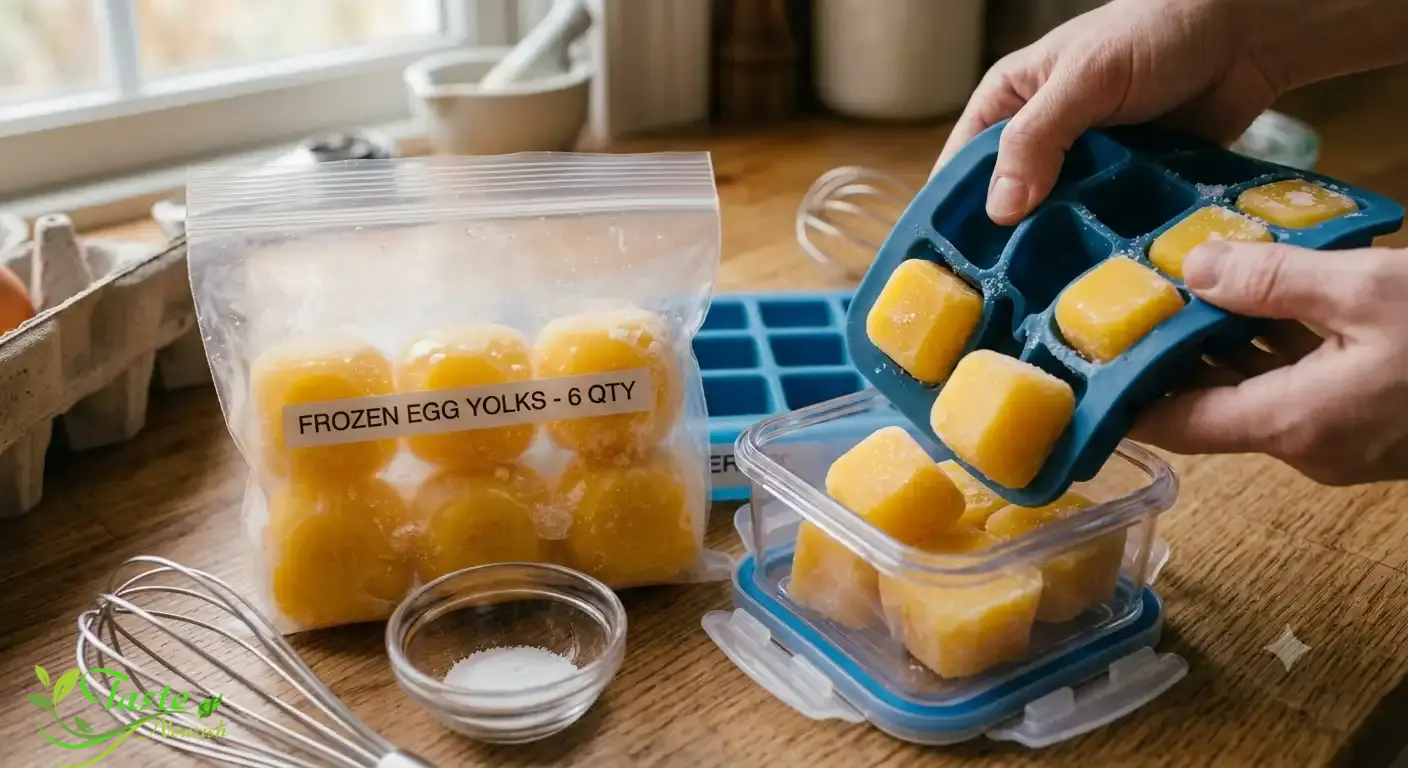
Freezing is possible but changes the texture noticeably, causing separation and a grainier consistency once thawed. If you do freeze it, it works best in smoothies or baked goods where texture matters less than flavor.
Yogurt isn’t a food you reheat in the traditional sense, since heat kills the very live cultures that make it beneficial in the first place. If you want a warm yogurt-based sauce or dip, add it to a dish at the very end of cooking, off the heat, to preserve as much of its texture and nutritional character as possible.
Always use a clean spoon when serving directly from the container to avoid introducing bacteria that could shorten its shelf life or affect flavor.
Flavor Variations and Substitutions
Plain homemade yogurt is a blank canvas, and there’s a lot of room to make it your own. A drizzle of honey, a spoonful of fruit preserves, or fresh berries stirred in right before eating are simple, classic options that don’t compromise the yogurt’s live cultures the way baking or cooking would.
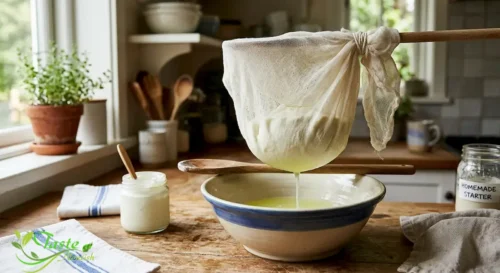
For a thicker, Greek-style result, strain finished yogurt through a cheesecloth-lined colander for a few hours in the fridge. The whey that drains off can be saved and used in baking, smoothies, or even to soak grains.
Those looking for dairy-free alternatives can use coconut milk, soy milk, or oat milk as a base, though these typically require a specific plant-based starter culture, since dairy-based starters rely on lactose that plant milks don’t naturally contain. Texture and tang will differ from traditional dairy yogurt, often requiring a thickener like agar or tapioca starch to achieve a comparable consistency.
For savory applications, plain yogurt can substitute for sour cream in dips, dressings, and marinades, generally with fewer calories and more protein per serving. Whisking in herbs, garlic, lemon zest, or a pinch of cumin turns a basic batch into a versatile condiment for grilled meats, roasted vegetables, or flatbreads.
Conclusion
Making yogurt at home isn’t complicated once you understand the basic mechanics: warm the milk, cool it down, add a live culture, and give it time. What you get in return is a fresher, more customizable product than most anything on a grocery shelf, along with a genuine sense of accomplishment the first time your milk actually sets.
It’s not a miracle food, and it won’t single-handedly transform anyone’s health. But as part of a balanced diet, homemade yogurt offers real, well-documented nutritional value: quality protein, meaningful calcium, and live cultures that many people find easier to digest than plain milk. Start with a small batch, pay close attention to temperature, and don’t be afraid to experiment with incubation time until you land on the tang and thickness you like best.
Homemade Yogurt FAQs
Q1. Is homemade yogurt safe to make without special equipment?
Yes. While a dedicated yogurt maker offers convenience, an insulated cooler, a warm oven with the light on, or even a thick towel-wrapped pot can maintain the right temperature range for successful fermentation.
Q2. Why did my homemade yogurt turn out runny?
Runny yogurt usually points to one of three issues: milk that wasn’t heated enough beforehand, starter added when the milk was too hot, or an incubation period that was cut short. Double-check your temperatures and give it more time next round.
Q3. Can I use ultra-pasteurized or raw milk to make yogurt?
Ultra-pasteurized milk can work but sometimes struggles to set as firmly as regular pasteurized milk. Raw milk isn’t recommended for home yogurt-making, since it carries a higher risk of harmful bacteria that fermentation alone may not eliminate.
Q4. How long does homemade yogurt last in the fridge?
Most homemade batches stay good for one to two weeks when refrigerated properly in a sealed container, though flavor and tang will continue to intensify slightly over that time.
Q5. Does homemade yogurt have more probiotics than store-bought?
It can, depending on your starter culture’s quality and how carefully you control fermentation time and temperature, but this isn’t guaranteed. Both homemade and commercial yogurt rely on live, active cultures to deliver probiotic benefits, and quality varies in either case.
Fisberg, M., Machado, R. “Yogurt and Other Fermented Foods as Sources of Health-Promoting Bacteria.” PubMed, National Center for Biotechnology Information. https://pubmed.ncbi.nlm.nih.gov/30452699/
Hanan Abo Samra is the founder of Taste & Nourish, sharing trustworthy nutrition guidance and recipes drawn from 20+ years of hands-on cooking experience. When she's not developing new recipes, Hanan is researching the science behind everyday ingredients to bring readers practical, evidence-based guidance for a healthier lifestyle.