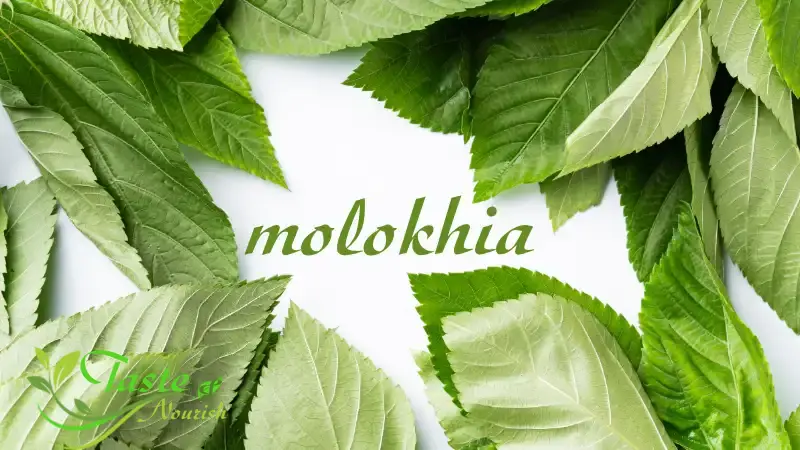
Kale has a reputation for being the vegetable everyone says you should eat more of, and there’s real substance behind that advice. Once you get past the “trendy salad green” image, the health benefits of kale come down to a genuinely impressive nutrient profile: high levels of vitamin K, vitamin C, vitamin A, and plant compounds called glucosinolates that researchers have linked to lower inflammation and better cardiometabolic health.
This guide breaks down what kale actually offers nutritionally, what the science says (and doesn’t say), how to buy and store it, and how to work it into meals without ending up with a bitter, tough salad nobody wants to finish.
Quick Answer: What Are the Health Benefits of Kale?
The health benefits of kale are mainly tied to its concentration of vitamin K, vitamin C, vitamin A, calcium, and antioxidant plant compounds called glucosinolates. Research suggests regular intake of cruciferous vegetables like kale may support bone health, heart health, healthy vision, and normal immune function, though most of the strongest evidence comes from studies on cruciferous vegetables as a group rather than kale specifically.
Key Takeaways
One cup of raw, chopped kale delivers more than a full day’s vitamin K in a single serving, along with a strong dose of vitamin C and vitamin A.
The health benefits of kale are largely attributed to its vitamin density and to glucosinolate compounds, which break down into isothiocyanates linked to anti-inflammatory and antioxidant activity.
Kale is low in calories and carbohydrates, making it easy to fit into most eating patterns.
People on blood thinners like warfarin need to keep their kale intake consistent, since vitamin K affects how these medications work.
Kale contains oxalates, so people prone to kidney stones may want to moderate raw intake or cook it first.
Cooking kale lightly (steaming or sautéing) can make it easier to digest and may improve mineral absorption compared to eating it raw.
What Is Kale?
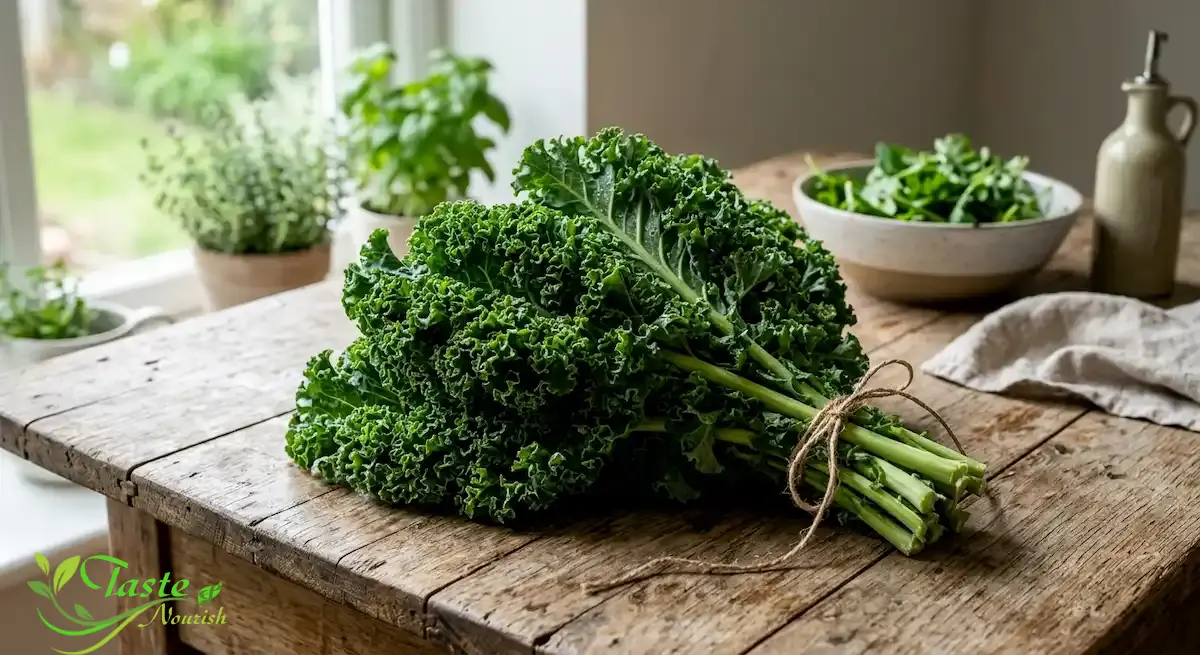
Kale is a leafy green vegetable in the Brassica family, the same plant family as broccoli, cabbage, and Brussels sprouts. Curly kale is the type most people picture, but Lacinato kale (also called dinosaur or Tuscan kale) and red Russian kale are common in grocery stores too.
Unlike lettuce, kale leaves are sturdy and slightly fibrous, which is part of why it holds up so well to cooking, massaging, or freezing.
Kale has been grown for thousands of years, but it only became a mainstream American grocery staple in the last couple of decades. In my own kitchen, curly kale used to intimidate me a bit until I learned that a quick massage with olive oil and lemon juice, or a few minutes in a hot pan, completely changes its texture from tough to tender.
Nutrition Facts
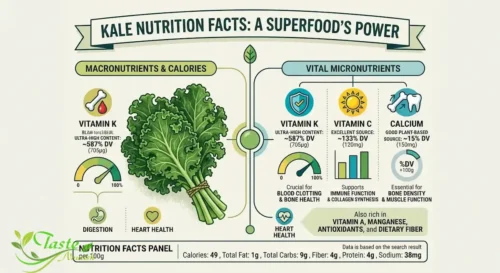
Kale is notably low in calories relative to how nutrient-dense it is. Values below are approximate and based on USDA; exact numbers can vary somewhat depending on the kale variety, growing conditions, and which USDA data entry is referenced.
Nutrient
Amount per 100g raw kale
% Daily Value*
Calories
35 kcal
—
Protein
2.9 g
—
Total Fat
1.5 g
2%
Carbohydrates
4.4 g
2%
Dietary Fiber
2 g
7%
Calcium
254 mg
20%
Iron
1.6 mg
9%
Potassium
348 mg
7%
Vitamin A
500 mcg RAE
56%
Vitamin C
120 mg
133%
Vitamin K
390 mcg
325%
*Percent Daily Values are based on a 2,000-calorie diet, following the format used on FDA.
The Health Benefits of Kale, One by One
May Support Bone Health
Vitamin K plays a direct role in bone metabolism, helping activate proteins involved in bone mineralization. Because kale is one of the more concentrated dietary sources of vitamin K, research suggests that regularly eating vitamin K-rich vegetables may be associated with better bone density and a lower risk of fractures in older adults, according to the Harvard T.H.
May Support Heart Health
Kale contains fiber, potassium, and antioxidant flavonoids like quercetin and kaempferol. Population studies have associated higher intake of cruciferous and leafy vegetables with lower rates of cardiovascular disease, though this is an association seen across overall dietary patterns rather than proof that kale alone changes heart disease risk.
May Support Healthy Vision
Kale is rich in lutein and zeaxanthin, carotenoids that accumulate in the retina and are associated with a lower risk of age-related macular degeneration in observational research. Vitamin A, also present in kale as beta-carotene, supports normal vision as well.
May Support Immune Function
A single cup of raw kale provides a substantial share of the recommended daily vitamin C intake, a nutrient with a well-established role in normal immune system function. Vitamin C also acts as an antioxidant, helping neutralize oxidative stress in cells.
May Support Healthy Digestion
Kale’s fiber content supports regular digestion and feeds beneficial gut bacteria. It won’t replace higher-fiber staples like beans or whole grains, but it contributes meaningfully as part of a fiber-rich diet.
May Help With Healthy Weight Management
Because kale is low in calories and carbohydrates but high in volume and fiber, it can help create filling, lower-calorie meals. This makes kale a useful ingredient for people managing their weight, though no single food drives weight loss on its own.
May Have Anti-Inflammatory and Antioxidant Effects
Like other cruciferous vegetables, kale contains glucosinolates, compounds that break down into isothiocyanates such as sulforaphane during chewing and digestion. Research suggests these compounds have antioxidant and anti-inflammatory activity, which is discussed in more detail in the next section.
Scientific Evidence
What the Research Says About the Health Benefits of Kale
Most of the research on kale’s bioactive compounds comes from studies on cruciferous vegetables as a category, since kale, broccoli, cabbage, and Brussels sprouts share many of the same glucosinolate compounds. A 2021 review in Frontiers in Pharmacology summarized epidemiological, animal, and early clinical evidence on glucosinolates and chronic disease, finding that higher intake of cruciferous vegetables has been associated with lower rates of cardiometabolic disease, certain cancers, and musculoskeletal problems like fractures, according to PubMed Central.
The same review noted that while cell and animal studies show fairly consistent anti-inflammatory and antioxidant effects, human clinical trials are still limited, and researchers cautioned that more large-scale, placebo-controlled trials are needed before firm conclusions can be drawn about specific health outcomes.
Vitamin K research is more established. The NIH Office of Dietary Supplements’ Vitamin K fact sheet summarizes evidence that adequate vitamin K intake supports normal blood clotting and plays a role in bone metabolism, and notes that leafy greens like kale are among the richest dietary sources of this nutrient.
In short: the building blocks for kale’s health reputation are well documented at the nutrient level, and cruciferous vegetables as a group have reasonably strong observational support. Kale-specific clinical trials in humans remain relatively scarce, so it’s fair to describe kale as a nutrient-dense food that may support several aspects of health, rather than a proven treatment for any condition.
Potential Risks & Side Effects
Oxalates — Kale contains oxalates, compounds that can contribute to kidney stone formation in people who are prone to them.
Goitrogens — Kale contains naturally occurring compounds that may interfere with thyroid hormone production in large amounts, particularly when eaten raw and in very high quantities.
Vitamin K and blood thinners — Because kale is so concentrated in vitamin K, sudden increases or decreases in intake can interfere with medications like warfarin.
Digestive discomfort — The fiber and raw texture of kale can cause bloating or gas in some people, especially when eaten in large raw servings.
Who Should Avoid It?
Most people can eat kale without any issue, but a few groups should talk to their healthcare provider about how much to include:
People taking warfarin or other vitamin K-sensitive blood thinners, who need consistent (not necessarily low) vitamin K intake.
People with a history of calcium oxalate kidney stones, who may be advised to limit high-oxalate raw greens.
People with thyroid conditions who have been specifically advised to limit raw cruciferous vegetables, since cooking substantially reduces goitrogenic compounds.
How Much Should You Eat?
There’s no official “recommended daily amount” of kale specifically, but it fits comfortably within general vegetable intake guidelines. A serving of about 1 to 2 cups of raw kale (or roughly 1 cup cooked) a few times a week is a reasonable way to include it as part of a varied vegetable intake, alongside other leafy greens and cruciferous vegetables rather than as a sole source of nutrients.
How to Choose the Best Kale
Look for firm, deeply colored leaves without yellowing or wilting edges.
Smaller, younger leaves tend to be more tender and less bitter than large, mature leaves.
Avoid bunches with slimy spots, holes from pests, or a strong sulfur smell, which signal the kale is past its prime.
Pre-washed, bagged baby kale is a convenient option if you want to skip the stemming and chopping step.
Storage Tips
Store unwashed kale in a loose or perforated bag in the refrigerator crisper drawer; it typically keeps for about 5 to 7 days.
Wash kale right before you plan to use it, not before storing it, since excess moisture speeds up spoilage.
To freeze kale, blanch the leaves for about 2 minutes, cool them in ice water, dry thoroughly, and store in a freezer-safe bag for up to 8 to 12 months.
Massaged or dressed kale salads keep better than other lettuces and can often be refrigerated for a day or two without wilting.
Best Ways to Eat or Cook Kale
Massaged raw salad: Rub chopped kale with olive oil, lemon juice, and a pinch of salt for a minute or two to break down its toughness.
Sautéed: Quickly cook chopped kale in olive oil with garlic until just wilted.
Blended into smoothies: Raw kale blends smoothly and adds volume without much flavor when paired with fruit.
Baked into chips: Toss torn kale leaves with a little oil and bake until crisp for a low-calorie snack.
Added to soups and stews: Kale holds its texture well in simmered dishes and can be added near the end of cooking.
Common Mistakes
Skipping the stems without removing them: Tough center ribs don’t break down the way the leafy part does and can make dishes unpleasantly fibrous.
Not massaging raw kale: Skipping this step often leads to a tough, bitter salad that’s hard to enjoy.
Overcooking: Extended cooking can turn kale mushy and dull its color and flavor.
Only eating it raw: Lightly cooking kale can improve digestibility and may increase the absorption of some minerals compared to eating it raw exclusively.
Myths vs Facts
Myth
Fact
Kale is a “superfood” that can single-handedly prevent disease.
Kale is nutrient-dense and may support several aspects of health, but no single food prevents or cures disease on its own.
Raw kale is always healthier than cooked kale.
Cooking kale can improve digestibility and reduce goitrogen and oxalate content, so both raw and cooked kale have benefits.
Kale has more calcium than milk, ounce for ounce.
Kale contains a meaningful amount of calcium, but claims comparing it directly to milk vary widely and depend on serving size and bioavailability.
Everyone should avoid kale if they have thyroid issues.
Most people with thyroid conditions can still eat kale in normal amounts, particularly when cooked; individual guidance should come from a healthcare provider.
Kale Compared to Other Leafy Greens
Nutrient (per 100g raw)
Kale
Spinach
Green Cabbage
Calories
35 kcal
23 kcal
25 kcal
Vitamin K
390 mcg
483 mcg
76 mcg
Vitamin C
120 mg
28 mg
37 mg
Calcium
254 mg
99 mg
40 mg
Spinach edges out kale on vitamin K, but kale is notably higher in vitamin C and calcium, making the two greens complementary rather than interchangeable.
FAQs About the Health Benefits of Kale
Is kale healthier than spinach?
Both are highly nutritious leafy greens with slightly different strengths. Kale tends to be higher in vitamin C and calcium, while spinach is higher in vitamin K and iron. Neither is definitively “healthier” overall.
Can I eat kale every day?
For most people, eating kale daily in normal food-sized portions is fine and can contribute to overall vegetable intake. People on blood thinners should keep their intake consistent day to day rather than avoiding it entirely.
Does cooking kale destroy its nutrients?
Cooking reduces some heat-sensitive nutrients like vitamin C, but it can also make certain compounds more digestible and may reduce oxalate and goitrogen content. Both raw and cooked kale offer nutritional value.
What are the benefits of eating kale compared to taking a multivitamin?
Whole foods like kale provide nutrients alongside fiber and plant compounds that supplements don’t replicate. Research generally supports getting nutrients from food sources first, with supplements used to fill specific gaps under medical guidance.
Is kale good for weight loss?
Kale’s low calorie density and fiber content can support a lower-calorie eating pattern, but weight management depends on overall diet and lifestyle, not any single vegetable.
Conclusion
The health benefits of kale come down to a genuinely strong nutrient profile: high vitamin K, vitamin C, and vitamin A, along with plant compounds under active scientific study for their anti-inflammatory and antioxidant effects. It isn’t a cure-all, and much of the strongest research covers cruciferous vegetables broadly rather than kale in isolation, but the overall case for including it in a varied diet is solid. Whether you prefer it massaged into a salad, sautéed with garlic, or blended into a smoothie, kale is an easy, low-calorie way to add real nutritional value to your plate.
Connolly, E.L., Sim, M., Travica, N., et al. (2021). “Glucosinolates From Cruciferous Vegetables and Their Potential Role in Chronic Disease: Investigating the Preclinical and Clinical Evidence.” Frontiers in Pharmacology, National Center for Biotechnology Information (PMC): https://pmc.ncbi.nlm.nih.gov/articles/PMC8575925/
Hanan Abo Samra is the founder of Taste & Nourish, sharing trustworthy nutrition guidance and recipes drawn from 20+ years of hands-on cooking experience. When she's not developing new recipes, Hanan is researching the science behind everyday ingredients to bring readers practical, evidence-based guidance for a healthier lifestyle.